
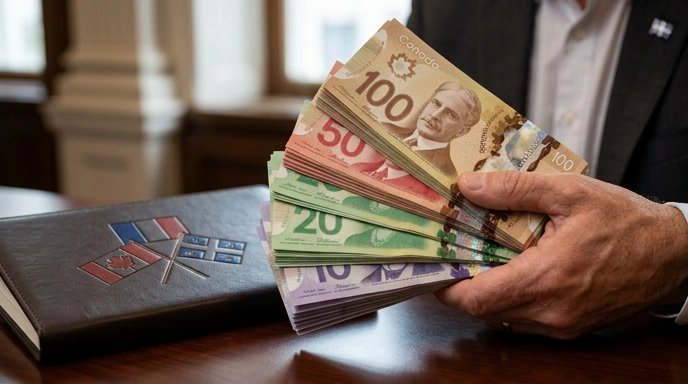
Quebec is set to increase its minimum wage to $16.60 per hour starting May 1, 2026, marking another step in the province’s ongoing effort to keep wages aligned with rising living costs.
The new rate represents a 50 cent increase and will impact hundreds of thousands of workers across the province. While the raise provides a welcome boost in earnings, it also raises broader questions about affordability, business costs, and how Quebec compares to the rest of Canada.
A Closer Look at the 2026 Minimum Wage Increase
What Is Changing on May 1
The general minimum wage will rise from $16.10 to $16.60 per hour. This increase applies to most workers in provincially regulated sectors, regardless of whether they work full time, part time, or on commission.
For a typical full-time employee, the increase translates into roughly $20 more per week and about $687 in additional annual income.
Why This Increase Matters
This adjustment is one of the largest annual increases in recent years. It reflects ongoing concerns about the rising cost of living, particularly for lower-income workers.
Wage Growth Over the Years
A Consistent Upward Trend
Quebec has steadily raised its minimum wage every year since 2018. During that time, the hourly rate has climbed from $12.00 to $16.60, representing a significant increase over less than a decade.
Balancing Wages and Economic Stability
The province aims to maintain a balance between improving worker income and ensuring businesses remain competitive. This approach influences how much the wage increases each year.
Changes for Tipped Workers and Seasonal Employees
Tipped Worker Wage Increase
Workers who earn tips, such as those in restaurants and hospitality, will also see their base wage rise. Their hourly rate will increase from $12.90 to $13.30.
Employers are still required to ensure that tips remain separate from wages, meaning gratuities cannot be used to meet minimum wage requirements.
Updates for Agricultural Workers
Seasonal workers paid by output, such as berry pickers, will also receive updated rates. These changes ensure that earnings remain consistent with the overall minimum wage framework.
How Much More Workers Will Earn
Weekly and Annual Impact
The 50 cent increase may seem small at first glance, but it adds up over time. Depending on hours worked, employees can expect noticeable increases in their pay.
A full-time worker can earn over $1,000 more annually before taxes, depending on their schedule and hours.
Who Benefits the Most
Nearly 260,000 workers are expected to benefit from the increase. A large portion of these workers are employed in retail, hospitality, and service industries.
How Quebec Compares to Other Provinces
Middle of the Pack
Even after the increase, Quebec’s minimum wage remains in the middle range compared to other provinces and territories.
Some regions offer higher minimum wages, while others remain lower, reflecting differences in cost of living and economic conditions.
Federal Minimum Wage Comparison
Workers in federally regulated sectors operating in Quebec may earn a higher minimum wage, as federal standards are set separately.
Why the Increase Is Higher This Year
Responding to Inflation
The larger increase in 2026 reflects rising costs in key areas such as housing, groceries, and utilities. These pressures have made it more difficult for workers to maintain purchasing power.
A Measured Approach
While the increase is significant, it is still designed to avoid placing too much pressure on small businesses, particularly in sectors with tight margins.
What Employers Need to Prepare
Payroll Adjustments
Businesses must update their payroll systems to reflect the new wage before the first pay period in May. Failure to do so can result in complaints and penalties.
Reviewing Pay Structures
Employers should also review overtime rates, commission structures, and piecework arrangements to ensure compliance with the new minimum.
Communicating With Staff
Clear communication with employees about the wage change can help avoid confusion and ensure a smooth transition.
The Ongoing Challenge of the Living Wage
Minimum Wage vs Cost of Living
Despite the increase, the minimum wage still falls short of what many consider a living wage in major cities like Montreal.
Estimates suggest that significantly higher hourly earnings are needed to cover basic expenses comfortably.
The Debate Continues
Advocates argue that wages should better reflect real living costs, while businesses warn that higher wages could lead to job losses or increased prices.
What This Means for Workers
Increased Income, Limited Relief
The raise provides some financial relief, but many workers will still face challenges keeping up with rising expenses.
Potential Impact on Benefits
Higher income may slightly affect eligibility for certain income-based benefits, depending on individual circumstances.
Final Thoughts
The new minimum wage of $16.60 per hour marks another step forward for workers in Quebec, offering increased earnings and some protection against rising costs.
At the same time, it highlights the ongoing balance between improving wages and maintaining economic stability. For both workers and employers, understanding these changes is essential as the new rate takes effect on May 1, 2026.
Leave a Reply