
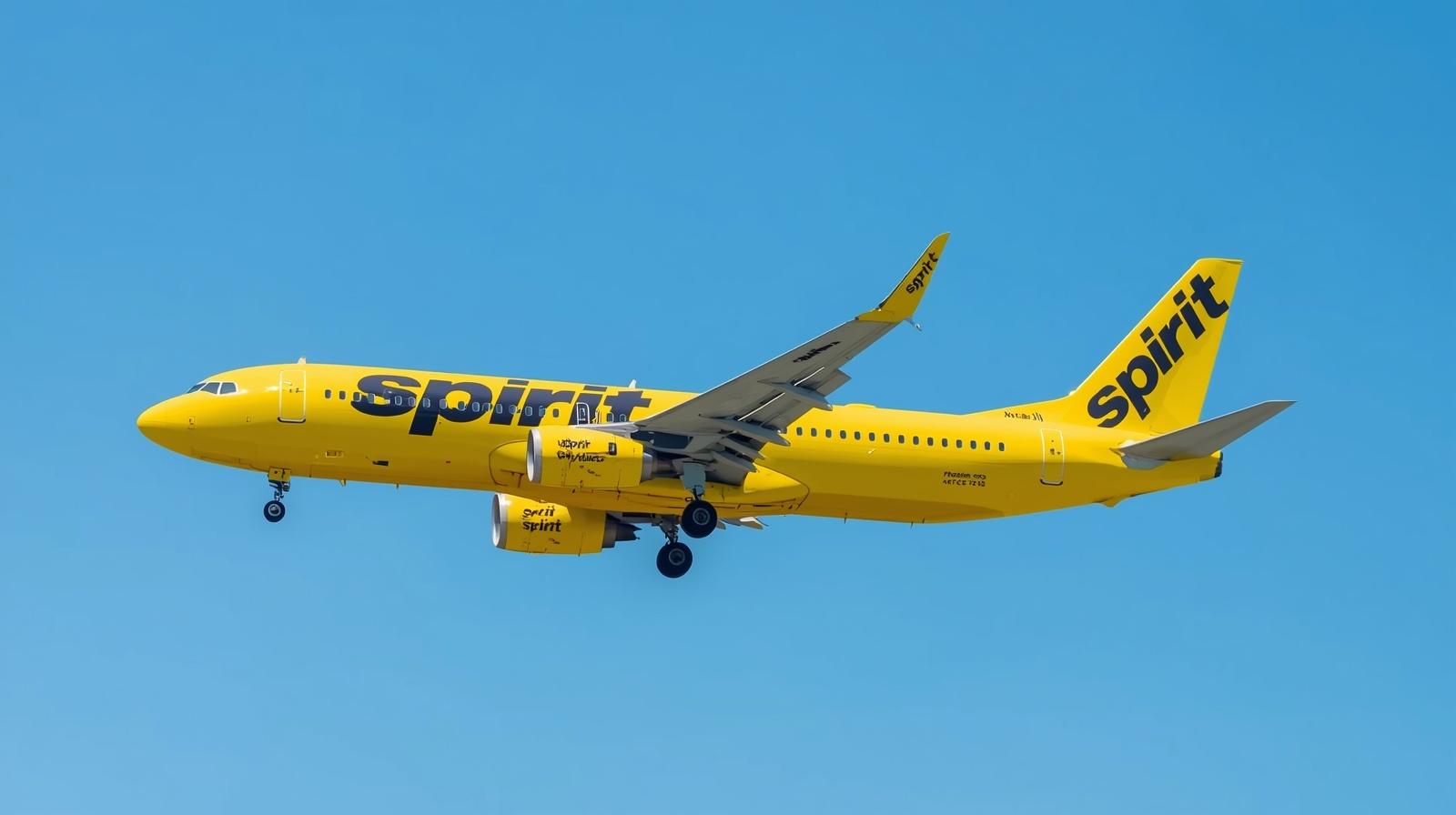
The North American aviation industry has been shaken after Spirit Airlines announced it is ceasing all operations effective immediately, ending more than three decades of ultra-low-cost travel across the United States and beyond. The sudden shutdown has triggered widespread disruption for passengers, raised concerns about rising airfare, and sent shockwaves through competing budget carriers such as Frontier Airlines.
Spirit Airlines shuts down operations after financial collapse
Spirit Airlines confirmed on Saturday that all flights were cancelled immediately, warning passengers not to proceed to airports. The Florida-based airline, known for its ultra-low fares and no-frills model, said it could no longer sustain operations due to severe financial pressure and rapidly rising fuel costs.
According to company leadership, the airline had been attempting a financial restructuring plan since March 2026, working with bondholders to keep the business afloat. However, the sudden spike in global fuel prices ultimately made recovery impossible.
Executives stated that the airline would have required hundreds of millions of dollars in additional funding to continue operating. With no viable financing options available, the decision was made to wind down operations entirely.
Why Spirit collapsed
Industry experts point to a combination of factors behind the shutdown:
- Sharp increases in jet fuel prices in recent weeks
- Weak post-pandemic financial recovery for ultra-low-cost carriers
- High operating costs and mounting debt
- Reduced investor confidence in budget airline models
Aviation analyst John Gradek noted that Spirit’s downfall was less about demand and more about cash flow.
“This was a liquidity crisis. The airline simply couldn’t generate enough revenue to cover its fixed costs,” he explained.
The shutdown also reflects broader instability in the aviation sector, where fuel price volatility has become a major risk factor for airlines worldwide.
Impact on Canadian travellers
Although Spirit is a U.S.-based airline, its collapse is expected to impact many Canadian travellers, especially in provinces like Ontario and Quebec.
For years, budget-conscious passengers from Canada have frequently crossed the border to U.S. airports such as Plattsburgh, Niagara Falls (NY), and Buffalo to access cheaper flights offered by Spirit. These routes often provided significantly lower fares compared to Canadian carriers.
With Spirit now out of service, travellers may face:
- Fewer low-cost flight options from nearby U.S. airports
- Increased demand on remaining budget airlines
- Higher average ticket prices
- More limited seat availability during peak travel seasons
Ripple effect across the airline industry
The shutdown comes at a time when the broader airline industry is already under pressure. Rising fuel costs and geopolitical instability have forced multiple carriers to rethink operations.
In Canada, airlines have already begun adjusting:
- Air Canada has suspended select routes
- WestJet is consolidating capacity on certain flights
- Air Transat has announced planned reductions in seating availability
Experts warn that if fuel prices continue to rise, more airlines could face financial strain, especially those operating on thin profit margins.
What happens to passengers and bookings
Spirit Airlines has stated that customers who booked directly with the airline will receive automatic refunds. However, passengers who booked through third-party platforms have been advised to contact those providers directly for assistance.
For travellers who used vouchers, loyalty points, or credits through Spirit’s Free Spirit program, compensation details will be determined later as part of the bankruptcy process.
Many passengers have reported being stranded or forced to quickly rebook flights with other airlines at higher prices.
Frontier Airlines and the budget travel gap
With Spirit out of the market, attention is now turning to other low-cost carriers, especially Frontier Airlines, which operates a similar ultra-low-cost model.
However, aviation analysts caution that Frontier alone cannot absorb Spirit’s entire customer base. This could create a gap in the budget travel segment, pushing fares higher across the board as competition decreases.
Travel experts suggest that the disappearance of Spirit may reshape the North American low-cost airline industry, potentially leading to:
- Reduced price competition on short-haul routes
- Fewer ultra-cheap fare promotions
- Consolidation among remaining budget carriers
- Increased dominance of major airlines on key routes
Spirit Airlines stock and market reaction
Following the shutdown announcement, market sentiment around Spirit-related financial instruments collapsed. While Spirit had already been struggling before the final announcement, investors are now expected to face significant losses as the company moves through bankruptcy proceedings.
The situation highlights the risks tied to ultra-low-cost airline business models, especially during periods of fuel volatility and economic uncertainty.
What comes next for budget air travel
The collapse of Spirit Airlines marks a major turning point in the North American aviation landscape. For travellers, it likely means the end of some of the cheapest cross-border flight options that had become popular in recent years.
Industry observers say the next few months will be critical. If fuel prices remain high, airlines may continue cutting routes or raising fares, reducing affordability for everyday travellers.
For now, passengers are being advised to double-check bookings, monitor airline updates closely, and prepare for higher travel costs in the near future.
Leave a Reply