
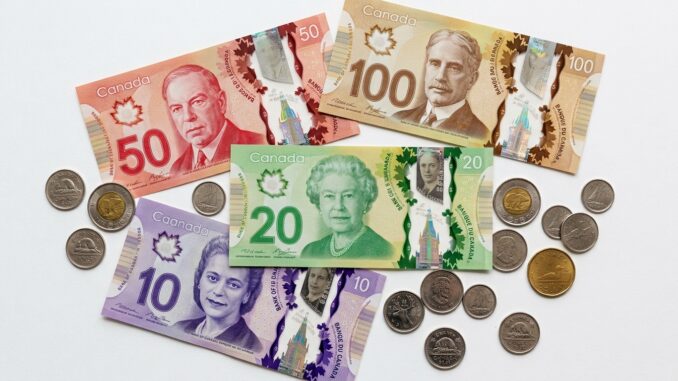
The July payments of the Canada Disability Benefit are being deposited into bank accounts and delivered to mailboxes across the country very soon. If you are eligible, you could see a boost in your payments, with the amount now exceeding $200 for the newly started 2026 to 2027 benefit year.
Administered by Service Canada, this critical government payment reaches eligible Canadians every single month. Whether you are eagerly awaiting your very first direct deposit or you have been relying on these funds since the program launched, here is everything you need to know about the Canada Disability Benefit. This guide covers the upcoming July payment schedule, the freshly increased benefit amounts, and official eligibility details.
Understanding the Canada Disability Benefit
The Canada Disability Benefit is a federal program designed to provide direct, reliable financial support to working-age people with disabilities. It aims to reduce the disproportionate level of poverty experienced by individuals with severe and prolonged impairments, improving their long-term financial security.
How the Payments Are Calculated
Your personal payment amount is not a flat rate for everyone. Instead, it is carefully calculated based on a few core factors. Service Canada looks at your adjusted family net income, your current marital status, whether you or your spouse have working income, and whether both partners in a household are eligible for the benefit.
Because the benefit is income-tested, the amount you receive starts to slowly decrease once your income reaches a certain threshold. For a single individual, the base income threshold is $23,000. For every dollar of income earned over that specific limit, your benefit is reduced by 20 cents.
Inflation Adjustments for 2026
To ensure the funds keep up with the rising cost of living, the benefit is adjusted for inflation every single year. A reassuring rule of the program is that your benefit payment will increase if the national cost of living goes up, but it will never decrease if the cost of living drops. As of July 2026, those inflation adjustments have officially taken effect, meaning recipients will see higher monthly payments moving forward.
Related: Major New CRA Disability Tax Credit Changes in 2026
How Much Money Can You Get From the Benefit?
Starting in July 2026, the payments are higher than the previous year. For the benefit period running from July 2026 through June 2027, the maximum amount you could receive is $204.20 per month. Over the course of the entire benefit year, that adds up to a maximum total of $2,450.40.
The Working Income Exemption
The government encourages recipients to work if they are able, which is why a working income exemption is factored into your calculation. A portion of your employment income, self-employment earnings, and taxable scholarships is completely ignored when Service Canada determines your benefit amount.
For the 2026 to 2027 benefit year, this exemption has increased. If you are single, you can earn up to $10,210 in working income without it affecting your benefit calculation at all. If you have a spouse or common-law partner, up to $14,294 of combined working income is exempt.
Annual Lump Sum Payments
While most people receive their money on a monthly basis, this July payment might be your only Canada Disability Benefit deposit for the entire 2026 to 2027 period. This happens if your total calculated benefit amount for the year is $240 or less. In that situation, the government issues a single, annual lump-sum payment rather than breaking it down into tiny monthly deposits.
The Upcoming $150 Supplemental Payment
In addition to the regular monthly amounts, the federal government has introduced a new measure to help individuals cover the out-of-pocket costs associated with obtaining their required medical certificates. Starting in September 2026, eligible recipients will receive a one-time, lump-sum supplemental payment of $150.
You do not need to apply separately for this bonus. According to official guidelines, anyone who has received a Canada Disability Benefit payment before September 2026 is eligible for this supplemental amount, even if they are no longer actively receiving monthly deposits.
Who is Eligible for the Canada Disability Benefit?
Meeting the baseline criteria is essential, but it is important to remember that enrollment is never automatic. You must actively submit an application to Service Canada. Once approved, you will begin receiving payments the month after your application is processed.
To qualify for the program, you must meet the following strict requirements:
- You must be between 18 and 64 years old.
- You must be officially approved for the Disability Tax Credit.
- You must have filed your 2025 federal income tax return.
- You must be a resident of Canada for income tax filing purposes.
- You must be a Canadian citizen, a permanent resident, a protected person, an individual registered under the Indian Act, or a temporary resident who has lived in Canada throughout the previous 18 months.
The Importance of Filing Taxes
Filing your tax return by the April 30 deadline each year is an absolute requirement to keep your payments flowing. Service Canada uses your tax return to automatically review your income information every single year, determining if you are still eligible so that you do not have to constantly reapply.
If you recently applied and were approved, you could be eligible for retroactive payments going back to the date Service Canada received your application. However, the program will not pay retroactively for any months prior to the program’s official launch in June 2025.
When is the Next Canada Disability Benefit Payment Date?
The funds are distributed on a regular, predictable schedule. The next Canada Disability Benefit payment date is Thursday, July 16, 2026. Because it takes up to 28 calendar days to process a new application form, those who applied recently can call Service Canada’s designated call center to check on their exact status if they do not see a deposit by this date.
How You Receive Your Payments
You can receive your money in two ways: as a direct deposit straight into your bank account, or as a physical cheque that is mailed to your home address. Direct deposit is strongly recommended by the government because it is faster and more secure.
If you are currently receiving paper cheques but want to switch, you can contact Service Canada directly. Alternatively, you can complete a direct deposit request form and either mail it in or drop it off at your nearest Service Canada office to ensure your future funds arrive instantly.
More Reads: New Grocery Benefit Replaces GST Credit: July 2026 Payments Explained
Leave a Reply