
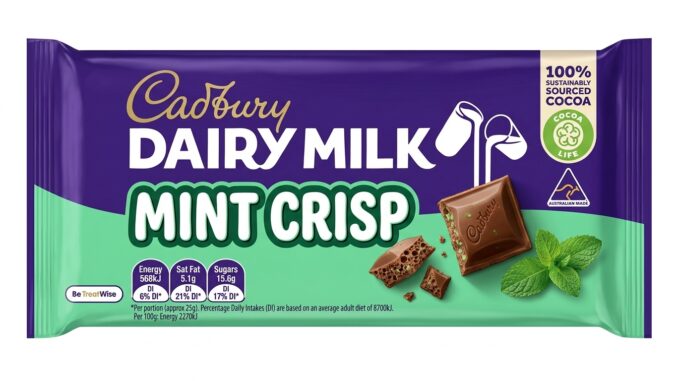
Check your pantry: Canada has issued a high-risk recall for Cadbury Dairy Milk Oreo bars due to undeclared pistachios. Here is what you need to know.
A sweet treat sitting in pantries across Canada has suddenly turned into a health hazard. Federal food safety officials issued an urgent, high-risk national recall for a widely sold Cadbury chocolate bar after discovering an unlisted ingredient that can trigger severe allergic reactions.
The Canadian Food Inspection Agency (CFIA) announced that Mondelez Canada Inc. is pulling Cadbury Dairy Milk Oreo Candy bars from store shelves nationwide because they contain undeclared pistachios. The situation is particularly serious because medical reactions linked to eating the chocolate have already been reported, prompting authorities to designate the alert as a Class 1 recall—the most urgent safety warning level in the country’s food system.
If you or someone in your household lives with a tree nut allergy, this isn’t a warning to skim over. A bite of a candy bar that gives zero visual indication of containing nuts could quickly turn into a medical emergency. Here is a breakdown of what happened, how to check your chocolate stash, and why undeclared allergens in everyday snacks remain a persistent challenge for consumer safety.
What Triggered the Nationwide Cadbury Recall?
The recall centers on the Cadbury brand Dairy Milk Oreo Candy bar, a hybrid confection that blends milk chocolate with cream filling and crunchy cookie pieces. While consumers expect wheat, milk, and soy in an Oreo-infused chocolate bar, pistachios are nowhere on the ingredient list.
The CFIA revealed that Mondelez Canada Inc. initiated the voluntary recall after identifying the presence of tree nuts that were not declared on the product packaging. Shortly after the discovery, health authorities confirmed that consumers had already experienced allergic reactions connected to eating the affected chocolate.
When an undeclared allergen is flagged alongside real-world adverse reactions, regulatory agencies act swiftly. The CFIA classified the event as a Class 1 recall. Under Canadian regulatory standards, a Class 1 rating signifies a high-risk situation where consuming the food carries a reasonable probability of causing serious adverse health consequences or death.
For individuals with tree nut allergies, exposure to pistachios can spark reactions ranging from immediate hives, facial swelling, and digestive distress to severe anaphylaxis—a life-threatening condition that restricts breathing and drops blood pressure rapidly. Because chocolate bars like Cadbury Dairy Milk Oreo are often eaten on the go or packed into children’s lunchboxes, undeclared allergens pose an elevated risk to unsuspecting consumers.
How to Identify the Recalled Cadbury Dairy Milk Oreo Bars
The recalled chocolate was distributed across Canada through grocery stores, gas stations, convenience shops, and online retailers. Because the product is sold both as single bars and multi-packs, you should inspect both individual wrappers and bulk packaging.
To figure out if the chocolate sitting in your cupboard is part of the affected batch, look at the back of the packaging for the Universal Product Code (UPC) and the best-before dates.
The specific products named in the CFIA recall notice include:
- Individual Bars: Cadbury Dairy Milk Oreo Candy bar, 38-gram size, bearing the UPC 0 61200 01445 7.
- Multi-Packs: Cadbury Dairy Milk Oreo Candy bar sold in 12 x 38-gram multipacks, bearing the UPC 0 61200 01444 0.
Both the single bars and the 12-pack boxes share identical affected code dates printed on the packaging. The specific lot codes listed in the official government alert include:
- 2026 NO 27 (with batch identifiers OEC3854844, OEC3854845, or OEC3854846)
- 2027 JA 5 (with batch identifiers OEC3860215 or OEC3860216)
If you find a bar with these corresponding UPC codes and expiration dates, health officials state unequivocally: do not eat it.
The CFIA advises consumers who own the recalled chocolate to either throw it directly into the garbage or return it to the retail store where it was bought for a full refund. Retailers, distributors, and food service establishments across the country have also been instructed not to sell, serve, or distribute these items.
Behind the Scenes: How Pistachios End Up in an Oreo Chocolate Bar
How does a tree nut like pistachio end up inside a mass-produced chocolate bar without appearing on the label? While Mondelez Canada Inc. has not publicly detailed the exact factory breakdown that led to the mix-up, food manufacturing experts point to two primary vectors in modern candy production: ingredient contamination and shared equipment lines.
Large confectioners frequently manufacture multiple candy varieties within the same facilities. A production line that processes nut-filled bars or pistachio creams earlier in the shift may leave trace residues if cleaning protocols fall short between product runs. Alternatively, bulk ingredient suppliers providing cocoa, cookies, or cream fillings can experience cross-contact at their own processing plants before the raw materials ever reach the main assembly facility.
When a mistake like this occurs, the primary safety net—the physical label printed on the wrapper—fails completely. For an individual living with a severe allergy, labeling is the ultimate contract between the food maker and the consumer. When that contract breaks, the consequences can emerge rapidly in emergency rooms.
The CFIA announced that it is conducting a comprehensive food safety investigation into the incident. Inspectors are currently verifying that Mondelez and retail distributors are removing the affected inventory from store shelves nationwide. The agency also noted that its ongoing investigation could trigger additional product recalls if other chocolate lines or batch runs were exposed to the same cross-contamination source.
Here’s My Take: Why Mass-Market Food Recalls Hitting Household Names Matter So Much
Here is what stands out to me about this recall: when an obscure brand pulls a niche item off the shelf, it rarely makes waves. But when a flagship product from an iconic brand like Cadbury gets flagged for a Class 1 safety hazard, it highlights a subtle vulnerability in how we navigate food choices every day.
Most of us move through the grocery aisle on autopilot. We buy the same chocolate bars, snacks, and pantry staples month after month, assuming that a long-standing product like a Dairy Milk bar won’t change its internal chemistry without warning. When you have a food allergy or manage one for a child, you get used to scanning ingredient lists carefully on unfamiliar items. But legacy household brands often enjoy an invisible layer of consumer trust. You don’t necessarily re-read the wrapper of a familiar chocolate bar you’ve eaten a dozen times before.
That blind trust is precisely why undeclared allergen recalls are so dangerous. A consumer purchasing a pistachio-flavored dessert expects nuts and takes appropriate precautions; a consumer picking up an Oreo candy bar expects chocolate, biscuit, and cream.
The fact that reported illness or reaction cases triggered this alert tells us that the safety net failed at the consumer level before the corporate testing apparatus caught it. In modern automated food production, even a tiny oversight in cleaning or supplier verification can turn a sweet treat into a medical emergency across an entire nation. It serves as a stark reminder that quality control systems in multi-billion-dollar food conglomerates cannot afford a single degree of error when life-altering allergens are involved.
What to Watch Next as the CFIA Investigation Unfolds
If you have tree nut allergies in your home, the immediate action item is clear: go check your sweet treats. Inspect any Cadbury Dairy Milk Oreo Candy bars you bought recently, match the UPC code and lot numbers, and discard any matching items right away.
Beyond your kitchen cupboard, the part worth watching over the coming days is whether the CFIA’s food safety investigation expands. When a major manufacturer like Mondelez identifies cross-contact issues in a high-volume factory, it often ripples outward. Watch for potential follow-up notices regarding other Cadbury or Mondelez products that share processing lines with the Dairy Milk Oreo bar.
For now, regulatory inspectors are focusing on removing the recalled bars from retail shelves and online storefronts. If you suspect you have experienced an allergic reaction or health issue related to eating a recalled candy bar, health authorities urge you to contact a healthcare professional immediately and report the incident directly to the Canadian Food Inspection Agency.

Leave a Reply